
Choosing a valve supplier for a safety-critical application involves much more than comparing prices on a quote. Here are the questions we’d encourage engineers and procurement teams to ask before they place an order.
Valves usually make up a small share of a project’s overall budget. Yet, in a safety-critical system, one valve that has been poorly specified or documented can hold up commissioning, fail an audit or even put people at risk. The choice of supplier therefore requires as much scrutiny as the choice of product.
Whether you’re adding a new name to an approved vendor list or reviewing the suppliers you already use, these are the areas worth looking at closely.
Who makes the valve?
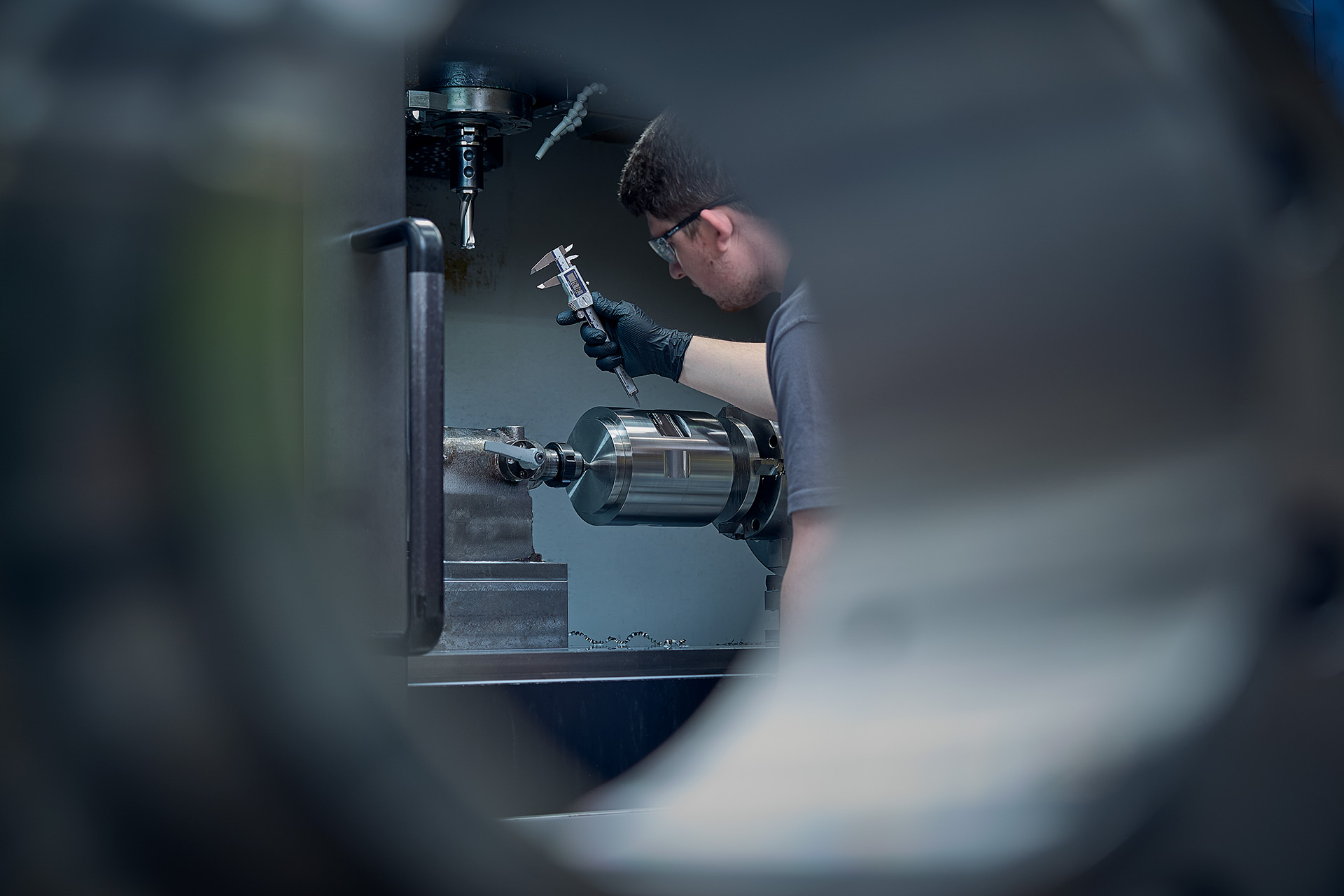
Start by finding out where the valve is designed and made. Some suppliers carry out every stage themselves, while others buy in components or resell products made elsewhere. Every extra link in that chain brings in someone else’s tolerances and quality system, which makes it harder to pin down who is responsible when something goes wrong.
A manufacturer that keeps the whole process under one roof can tell you exactly how your valve was made, because its own people made it. It can also act quickly when a drawing changes, without waiting for a sub-supplier to re-quote. It’s worth asking any prospective supplier which stages they handle in-house and which they rely on others for.
Engineering input from the start
The best suppliers ask plenty of questions before they recommend anything. The right specification depends on the operating conditions and process media, along with practical factors such as maintenance access and delivery dates. A supplier with its own engineering team will want to understand all of this before it quotes.
Pay attention to who you speak to when you make an enquiry. When engineers who know the products and the applications answer your technical questions directly, you reach a sound specification faster. You’re also far less likely to find a problem once the valve is already on site.
Traceability and certification
In regulated industries, the paperwork has to stand up to the same scrutiny as the hardware. As a minimum, look for an ISO 9001 certified quality management system, and ask whether full EN10204 3.1 material certification comes as standard or as an optional extra. ISO 45001 and ISO 14001 certification are also good signs of a well-run operation.
Traceability should run all the way from source material to the shipped product. A useful test is to ask what would happen if one of their valves failed in service ten years from now. A good supplier will be able to tell you what material went into it and how it was tested.
Testing on every valve
Ask whether every valve is pressure tested and functionally inspected before despatch, or whether testing is done on a sample basis. For safety-critical applications, each valve should be tested, and the records should be kept to support audits and long-term asset management. If your project calls for witnessed testing, check early on that the supplier can accommodate it.
A track record in demanding applications
Approvals from major operators and EPCs are hard to win and harder to keep, because they depend on consistent performance across many orders and many audits. Ask which approved vendor lists a supplier sits on and how long it has been supplying your sector. Experience with severe service conditions and difficult process media shows up in the detail of seat geometry and material selection.
Fast turnaround you can rely on
Specifications often change late, and outage windows have a habit of shrinking. When that happens, you need a supplier that can turn work round quickly without cutting corners on quality or documentation. A manufacturer that controls every stage of production can offer short lead times and meet them, because it never has to wait on a sub-supplier to keep its promises. It’s worth asking a prospective supplier how often it delivers on the date it quoted, and how it handles an urgent change partway through an order.
The ability to go beyond the standard range
Standard products cover most applications, though not all of them. Extreme service conditions and emerging applications such as hydrogen and carbon capture can both call for a valve that has to be adapted or designed from scratch. A supplier with in-house design and manufacturing can take on that work with the same quality controls and traceability as its standard range. That saves you from bringing in a separate specialist partway through a project.
How Colson Valves measures up
Colson Valves designs and manufactures every valve at our facility in Rotherham, South Yorkshire, and each one is pressure tested before it leaves our site. Because every stage happens under one roof, we can often deliver while other suppliers are still quoting.
We work under ISO 9001, ISO 45001 and ISO 14001 certified systems, with full EN10204 3.1 material certification supplied as standard. Our instrumentation and double block & bleed valves are approved by Shell, BP, ExxonMobil, ADNOC and the UK MoD, among others.
We’ve supplied oil & gas, chemical, energy and defence projects around the world for more than three decades. When you contact us, you’ll speak directly to the engineers who design and build our valves. If you’re reviewing your valve suppliers or have a project coming up, we’d be glad to talk it through.
For further information please talk to our engineering team